Superyacht Career
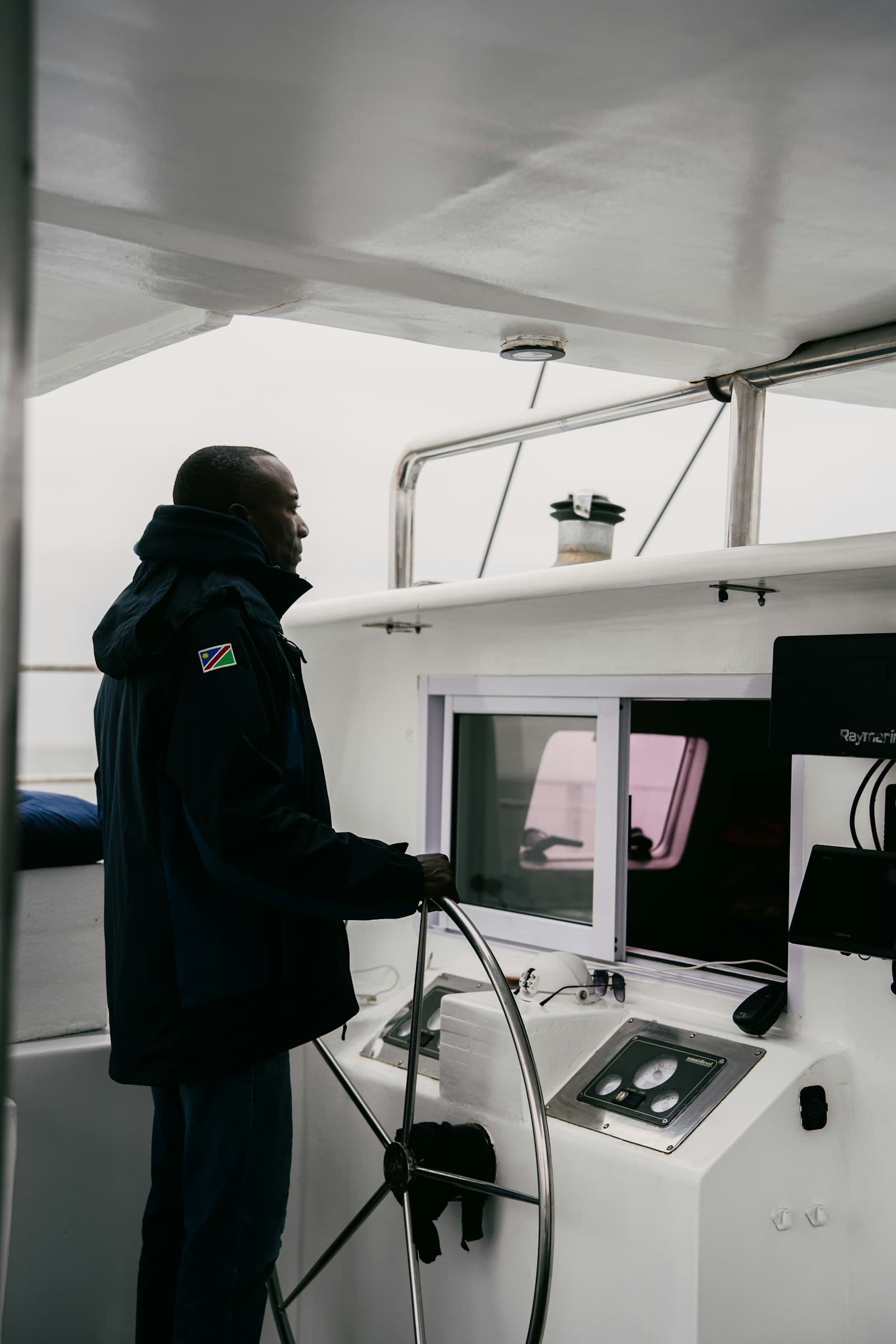
If your only reference point for yacht crew is Below Deck, it's easy to assume this is a season of reality TV, not a career. It isn't. A superyacht career is a regulated profession with real qualifications, a real chain of command, real pay, and a genuine progression path from your first day as a deckhand or junior stew to running a department — or commanding the yacht.
Not sure which department fits you yet? Try our Superyacht Career Tool — 10 quick questions to find your best-matched starting point.
Is a superyacht career actually a career?
Yes — and the giveaway is the paperwork. You can't legally work aboard without MCA- and STCW-regulated certificates, the same regulatory framework that governs commercial shipping. Crew sign employment contracts, earn salaries that scale with rank and tonnage, pay into (or plan around) tax arrangements, and build CVs the same way any other maritime professional does. Captains on large yachts are responsible for a vessel worth tens or hundreds of millions of dollars and everyone aboard it — that's not a gap-year job, it's the top of a real career ladder.
Career progression by department
Every department has its own ladder, with training requirements at each rung:
Deck
Deckhand → Bosun → 2nd/3rd Officer → Chief Officer → Captain
Deckhands start with STCW and an entry-level deck course, then stack RYA/MCA tickets — Powerboat Level 2, Efficient Deck Hand, Yachtmaster — as sea time builds toward officer and, eventually, command.
Compare 69 deck courses →Interior
Junior Steward/ess → Senior Steward/ess → Chief Steward/ess → Purser
Interior crew progress through GUEST-accredited service levels, adding specialisms like wine, silver service or guest experience management on the way to running the entire interior department.
Compare 67 interior courses →Galley
Crew Chef / Commis → Sous Chef → Head Chef
Galley crew combine culinary training with the MCA Ship's Cook Certificate, moving from crew-mess cooking toward running fine-dining service for owners and guests.
Compare 23 galley courses →Engineering
Junior Engineer (AEC1) → 2nd/3rd Engineer (AEC2) → Chief Engineer
Engineers work through the Approved Engine Course ladder (AEC1, AEC2) toward Officer of the Watch (Engineering) and Chief Engineer tickets on larger tonnage.
Compare 35 engineering courses →What it actually pays
Pay depends heavily on yacht size, role, experience and season, and we haven't verified live figures the way we verify course pricing elsewhere on this site — but industry-reported ranges commonly put junior deckhands and stewardesses around $3,000–4,500/month, chefs around $5,000–8,000+/month, and captains on larger yachts well into five figures monthly. Most roles include no living costs while aboard, tips on charter yachts, and a genuinely tax-efficient structure for many nationalities — worth confirming against your own residency status.
The real lifestyle: upsides and trade-offs
What draws people in
- Travel the world's best coastlines as part of the job
- No rent or grocery bills while aboard
- Fast progression for crew who put in the sea time
- A close, high-performing team environment
What it actually demands
- Long hours and short notice, especially during charter season
- Extended time away from family and home
- Living in close quarters with your colleagues
- Seasonal, contract-based work rather than permanent employment
How to actually start
Every path starts the same way: STCW Basic Safety Training, an ENG1 medical certificate, and an entry-level course in your chosen department. From there, most first jobs come from being physically present in a crew hub — Antibes, Palma, Fort Lauderdale — during hiring season, not from applying online. See our full guide to superyacht training and courses for what to book first, or go straight to compare all superyacht courses to see pricing and dates.
Frequently asked questions
Is superyacht crew a real job?
Yes. It's a genuine, regulated career with formal qualifications (MCA and STCW certificates), a real chain of command, contracts, salaries, and a clear progression path from entry-level to department head or captain. Reality shows like Below Deck dramatise the lifestyle, but the underlying job — and the training required to do it legally — is real.
How much do superyacht crew get paid?
Pay varies by role, yacht size, experience and season, and we haven't independently verified current figures the way we verify course pricing — but industry-reported ranges commonly put junior deckhands and stews around $3,000–4,500/month, chefs around $5,000–8,000+/month, and captains on larger yachts well into five figures monthly. Most salaries are paid tax-efficiently and come with no living costs while aboard.
Do you need a degree to work on a superyacht?
No degree is required for entry-level deck or interior roles — you need STCW Basic Safety Training plus a department-specific course. Galley and engineering roles benefit from prior culinary or engineering experience, but formal MCA-approved short courses (not a university degree) are what actually qualify you.
How do I get my first superyacht job?
Complete STCW Basic Safety Training and an entry-level department course, get an ENG1 medical certificate, then head to a crew hub — Antibes, Palma, Fort Lauderdale — during the hiring season and register with crew agencies. Most first jobs come from being physically present ("dock walking") and networking, not applying online from home.
Is superyacht work really like Below Deck?
The hierarchy, long hours, and pressure to deliver flawless guest experience are real. What TV compresses for drama is the day-to-day: most crew work hard, professional seasons without the manufactured conflict, and build a genuine career with real qualifications behind it.
Ready to start building yours?
Compare the courses that get you working — pricing and dates side by side.
Compare all courses